
Growing Better While Respecting Resources
Developing climate-resilient hybrid seed varieties that maintain yields while using water and fertilizers responsibly.
Sustainable Agriculture at Gynacem
We believe productive agriculture and environmental responsibility go hand in hand. Our sustainability approach focuses on four key pillars that guide every decision we make — from seed breeding to field support.
Agriculture Must Feed Tomorrow
Pakistan's agricultural sector faces increasing pressure from climate variability, water scarcity, and soil degradation. At Gynacem Seeds, we recognize that the seeds we develop today will determine the farming landscape for decades to come.
Our research and breeding programs are designed to deliver varieties that produce strong yields while requiring fewer inputs — less water, less chemical protection, and less energy per kilogram of grain harvested.
- Climate-adapted varieties for Pakistani growing conditions
- Research focused on input-use efficiency
- Farmer training on sustainable crop management
- Long-term soil health preservation programs
Drought Resilience
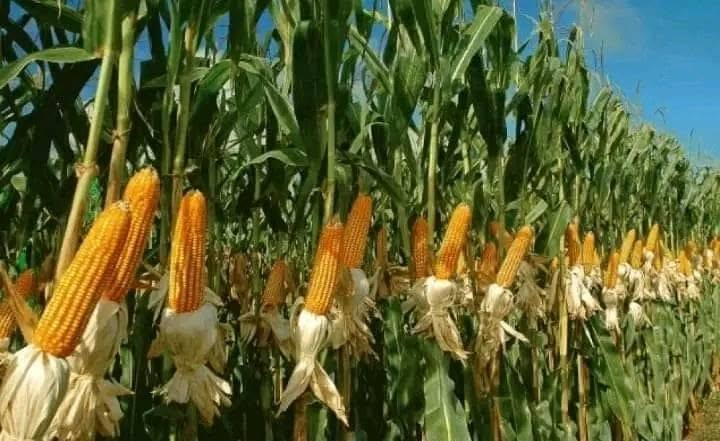
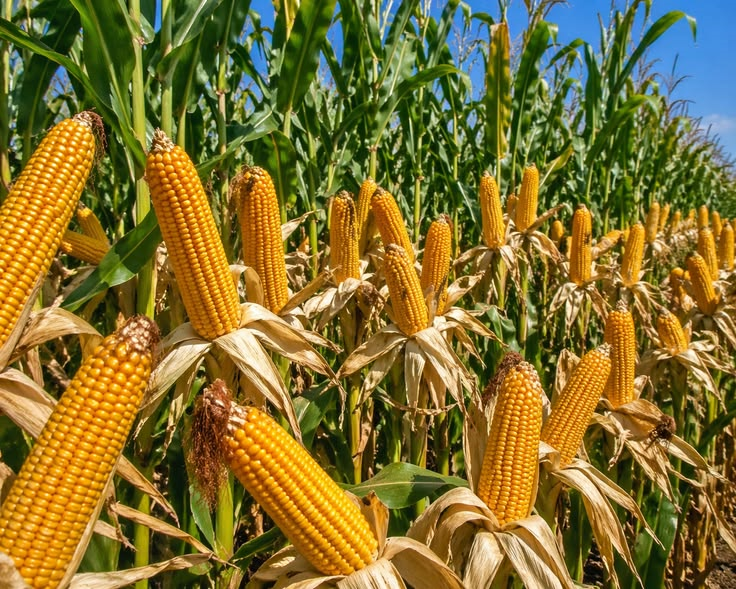
Our hybrids feature deep root structures designed to extract moisture during dry spells, reducing irrigation dependency while maintaining strong grain fill and crop vigor.
Balanced Nutrition
We advise farmers on soil testing, organic matter retention, and balanced DAP/Urea application — ensuring the soil remains productive for future generations of crops.
Crop Diversity
Promoting fodder multi-cuts, specialty crops, and crop rotation for healthier soils — building agricultural ecosystems that are resilient and productive year after year.
Targeted Protection
Built-in pest and disease tolerance in our hybrids reduces the need for excessive spray applications, lowering input costs and environmental impact for farmers.
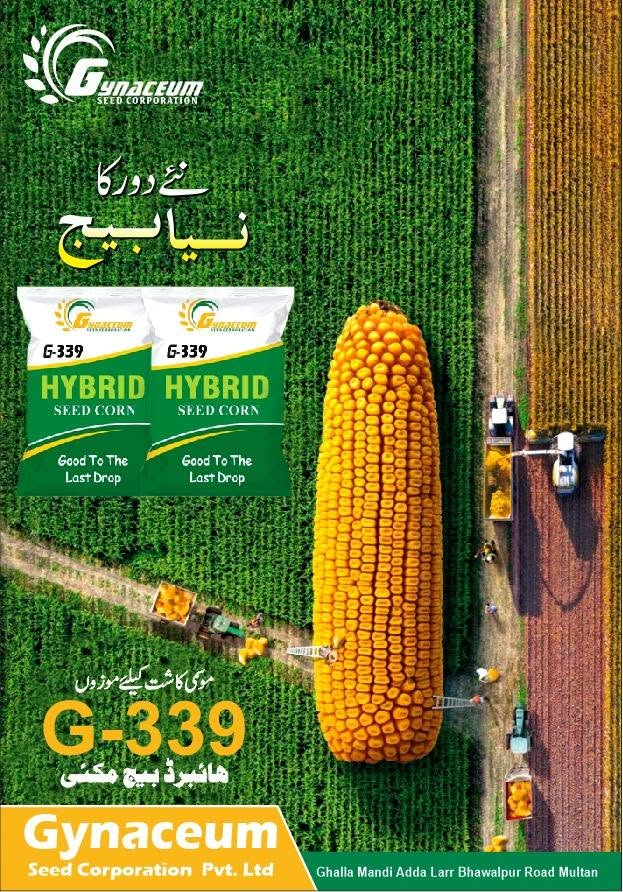
Research-Driven Sustainability
Every Gynacem variety undergoes multi-location field trials to evaluate not just yield potential, but also input-use efficiency, stress tolerance, and environmental adaptability.
Our breeding program specifically targets traits that reduce resource consumption — drought tolerance, heat resilience, and disease resistance — so farmers can achieve more with less.
Water Use Efficiency
Deep-rooted hybrids that perform with fewer irrigations per season.
Reduced Chemical Dependency
Disease-tolerant genetics that minimize fungicide and pesticide applications.
Carbon Footprint Reduction
Efficient varieties that require fewer passes and less energy per harvest.
Soil Preservation
Crop rotation programs and cover crop recommendations for long-term fertility.